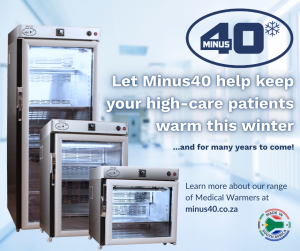
 Also known as blanket warmers or warming cabinets, these essential hospital units are designed to safely heat medical items such as linens, blankets, intravenous (IV) fluids, irrigation solutions, and other surgical supplies. At Minus40, we refer to them as medical warmers—built to support both patient care and clinical efficiency.
Why Are Medical Warmers Used in Healthcare?
Medical warmers serve multiple critical functions in medical settings. Beyond comfort, temperature regulation of fluids and materials can directly impact patient outcomes, especially during and after surgery.
Here are the five most common uses for medical warming cabinets:
- Warming blankets – for patient comfort and prevention of perioperative hypothermia.
- Warming irrigation solutions – to maintain tissue temperature during procedures (e.g., urology, ophthalmology).
- Warming intravenous (IV) fluids – to prevent infusion-related hypothermia.
- Warming injectable medications – such as contrast agents or anaesthetic solutions, to ease injection discomfort.
- Warming linens and towels – for neonatal, post-op, or palliative care patients who are particularly temperature-sensitive.
Are Medical Warmers Regulated?
Despite being classified as medical devices, medical warmers are subject to limited regulation—both locally and internationally.
- In South Africa, the South African Bureau of Standards (SABS) does not currently prescribe specific standards for these devices.
- Internationally, EC standards EC.6.10 and EC.6.20 provide only general guidelines. They recommend that manufacturers provide:
- Recommended temperature set-points
- Validation procedures for temperature consistency
- High-temperature safety shut-off mechanisms
Understanding Medical Device Classes
Healthcare professionals often ask what “Class” our medical warmers fall under. It’s important to note that classification does not equate to quality—it simply refers to the device’s associated risk level:
- Class I: Low to moderate risk (includes warming cabinets)
- Class II: Moderate to high risk (e.g. infusion pumps)
- Class III: High risk (e.g. life-sustaining implants)
What Should You Look for in a Medical Warmer?
When evaluating a medical warming cabinet for purchase, procurement teams should prioritise design quality, safety, and longevity over classification alone. Here are five essential features:
- Stainless steel interior and exterior – for hygienic, corrosion-resistant performance
- Double-glazed glass doors – to minimise heat loss and allow visibility without opening
- Insulated double walls – typically 20–25mm thick for reliable temperature control
- Even air circulation – via internal fans for uniform heating throughout the unit
- Digital controls and safety alarms – including visual/audio alerts and auto shut-off to prevent overheating
Built for the Southern African Healthcare Environment
Minus40 medical warmers are locally manufactured in Cape Town and designed to handle the tough demands of clinical settings. Every unit includes the five key quality features above and is backed by our responsive support team. With a typical lifespan of 15 to 20 years, our warmers offer long-term reliability—and peace of mind.
Explore the Minus40 Range of Medical Warmers
Whether you’re outfitting a small clinic or a large regional hospital, Minus40 offers a medical warming solution to suit your needs:
- MW60GHD – 60L capacity: Compact and efficient, perfect for smaller clinics or specialised departments.
- MW130GHD – 130L capacity: A versatile choice for medium-sized healthcare facilities with moderate throughput.
- MW230GHD – 230L capacity: Built for high-demand environments, ideal for busy hospitals and central stores.
All models deliver the same trusted Minus40 performance—precise temperature control, durable construction, and built-in safety features—tailored to different space and storage requirements.
Let’s help you find the right fit. Get in touch with our team to discuss your warming cabinet needs and request a quote today.